Deuteronomy: A Summary of God’s Story and God’s People-A Lesson in African American History
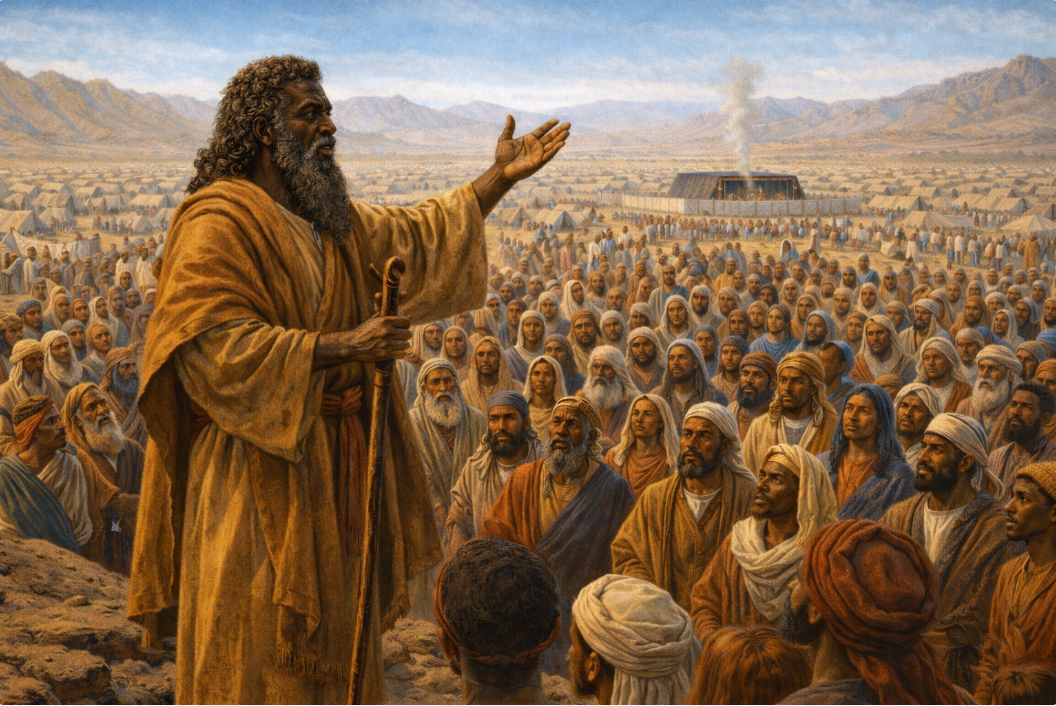
Deuteronomy is the fifth book of Bible, and the last book of Pentateuch. It consists of a series of speeches that Moses gave before he turns leadership over to Joshua.
Moses eloquently summarizes the history of the Hebrew people: from the promise of God to Abraham, through their first entrance to the Promised Land, their four hundred (400) years in Egypt, their freedom from Egypt and their time in the wilderness.
Like a seasoned sage, Moses recounts this history and warns them that they must be obedient to God. Moses is speaking to the Hebrews, many of which were born in the wilderness and had never experienced slavery in Egypt. He is acknowledging that a generation has been removed from the struggle and is afraid they will eventually turn their backs on God once they make it to the Promised Land. Although they are distant from the struggle, they are still required to obey the Law. Moses knows the Hebrews have suffered even in their freedom from bondage and slavery simply because they did not obey God.
Moses speaks to the Hebrews from first- hand knowledge because he is not allowed to enter the Promised Land with them because of his own impatience. So, the words that Moses speaks are sincere, heartfelt, inspirational, encouraging, and prophetic.
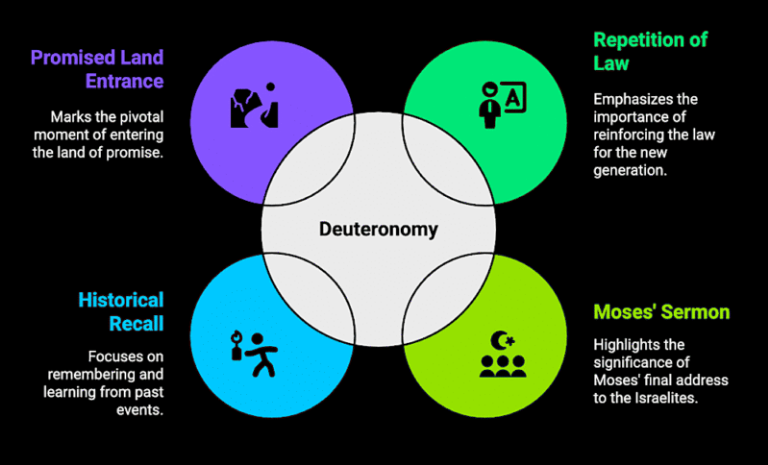
By retelling the history of the people and their sojourn with God, he is hoping that they will be inspired to not make the same mistakes as their forefathers and mothers. Moses leadership is spectacular, but not without its challenges. Moses is constantly leading people who when tough times come challenge him and want to go back to Egypt.
The human mind is a mystery and a phenomenon. Our brains are programmed to recall past experiences and incidents. When we experience present trauma, our mind goes back to the last traumatic experience, and we often feel those past experiences and feelings again while we are in a present traumatic or painful situation. It’s almost as if we grieve presently in the past. For example, a family in a church may have a traumatic tragedy happen to them 10 years ago. In the present someone else was tragically killed. At the funeral the family and the church at large are grieving and thinking about the past trauma while experiencing the present trauma. The feelings, the pain and the trauma is so thick it cuts deep and wide.
During traumatic experiences, because the brain is recalling past trauma, people in the present make bad decisions. If you have not resolved past trauma or negative experiences the new and present problems will be exacerbated.
The children of Israel have unresolved issues, and those issues stop them from following and obeying law. That’s ultimately what kept them in the wilderness for 40 years.
Every generation is responsible for passing down wisdom to the next generation. Moses speech before he transfers leadership to Joshua is also a lesson in passing the mantle. While it may not be recorded Moses probably shared this history with his people before we see it in Deuteronomy. But history now is even more important, and Moses wants to make sure his successor knows the story. If we don’t know the past, we’ll make mistakes in the future.
Carter G. Woodson is owed a debt of gratitude by the descendants of enslaved Africans in America. Without his push for Negro History Week (1926) that became Black History Month (1976) our stories in the America’s would not have been told and recorded.
We also ought to thank W.E. B. Dubois, Rayford Logan, Charles H. Wesley, John Hope Franklin, David Levering Lewis and many others in the groundbreaking work on the history of black/African Americans.
We must never forget Cheikh Anta Diop, Drusilla Dunjee Houston, Yosef Ben-Jochannan, John G. Jackson, John Henrik Clarke, Chancellor Williams, Ivan Van Sertima for making sure we looked beyond our Black/African American U.S. History and insisted that we learn about our heritage from the African Continent.
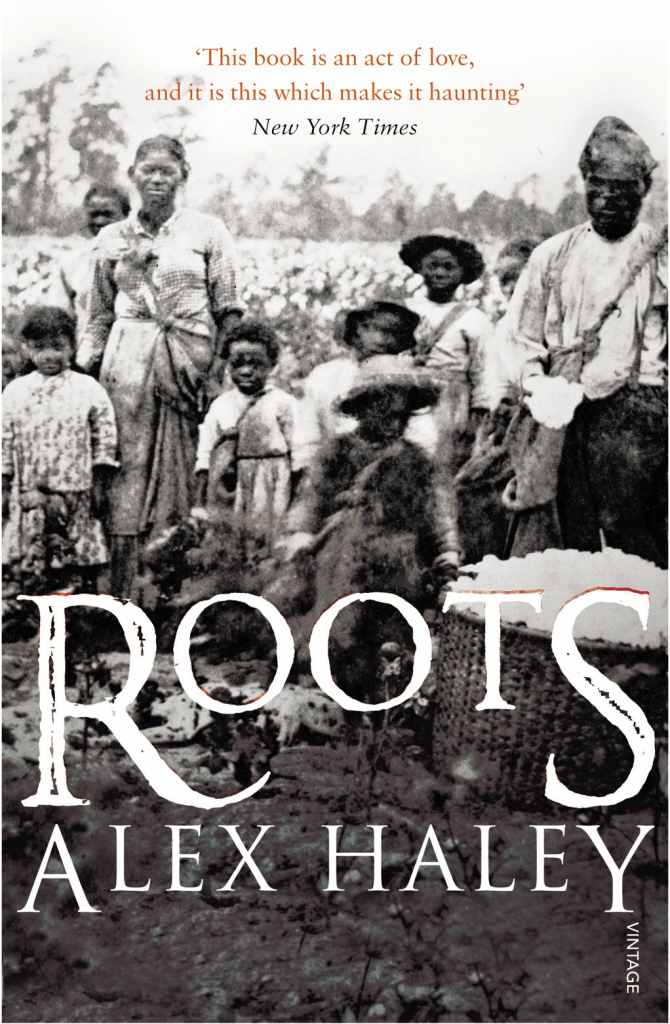
Lastly, we should thank Alex Haley and Maraget Walker who wrote Roots and Jubilee that helped spark the Family reunion Traditions/Movement in the black community that helps keep families and their stories connected and passed down from generation to generation.
Just recently we had death in our family. One of my second cousins died after a battle with cancer. My mother and I went to the funeral and on the way back she took me to the land where her grandparents lived and told me the story of the family.
It’s a story I am familiar with, but each time it’s shared I learn something different and ask new questions. While driving back, it was so emotional and so spiritual I thanked the Lord for what the Lord has done through the family. Mom told the story of her mother and father raising 13 children and how her mother’s mother (my great grandmother) was born three days before (February 14, 1865) after South Carolina surrendered to General Sherman’s Union troops (February 17, 1865) after burning parts of the State like they did in Georgia.
My great great grandmother was born in 1817. So many of our families, because of the terrible history of the Transatlantic Slave trade and American Chattel slavery, are unable to trace family histories beyond three (3) or four (4) generations. For those us who had older parents and grandparents the connection to the institution of slavery is not that far removed. While America may never give descendants of Africans reparations, it’s up to us to keep our family history intact and to tell the story how those who came before us persevered, never gave up and passed something down to the next generation.
Ultimately, that’s what Moses was doing before he transferred leadership to Joshua. It’s up to us to tell the story. African American/Black History should be taught in public schools. However, if those curriculums are pulled from the schools, young people should not feel the void, because we should be teaching our youth ourselves at home, in church and in our after-school and summer programs.
As we tell the stories of our families, make sure we tell the story how the Lord provided, how our families persevered, that we pass the history and stories to the next generations well as teach the next generation to “5love the Lord your God with all your heart, with all your soul, and with all your strength.6 “And these words which I command you today shall be in your heart. 7 You shall teach them diligently to your children and shall talk of them when you sit in your house, when you walk by the way, when you lie down, and when you rise up.” (Deuteronomy 6:5-7)