Leviticus: Sacrifice and Separation

Leviticus 19: 1-3
1The Lord said to Moses, 2 “Say to all the people of Israel, ‘Be holy, for I the Lord your God am holy. 3 Every one of you must have respect for his mother and his father. And keep My Days of Rest. I am the Lord your God.
If you only learn one thing from the book of Leviticus, it should be that Sin is expensive as well as costly and God desires more for God’s people. The Book of Leviticus is one of the most misunderstood books in the Bible because people skip over it and don’t read it. Leviticus is part of the Pentateuch (the first five books of the Bible) and part of the narrative that explains God’s special (covenant) relationship with Children of Israel and humanity.
Leviticus is about how God’s people can get back into fellowship with God. In Leviticus if a person’s relationship with God has been broken and estranged, they are to follow a strict set of laws, rituals and ethical standards designed to help them maintain holiness, purity and a relationship with God. If a person followed the guideline their relationship with God could be repaired, restored, and renewed. Walking with God is not easy. There are so many bumps in the road: temptations, roadblocks, tests from the enemy and our own rebellion.

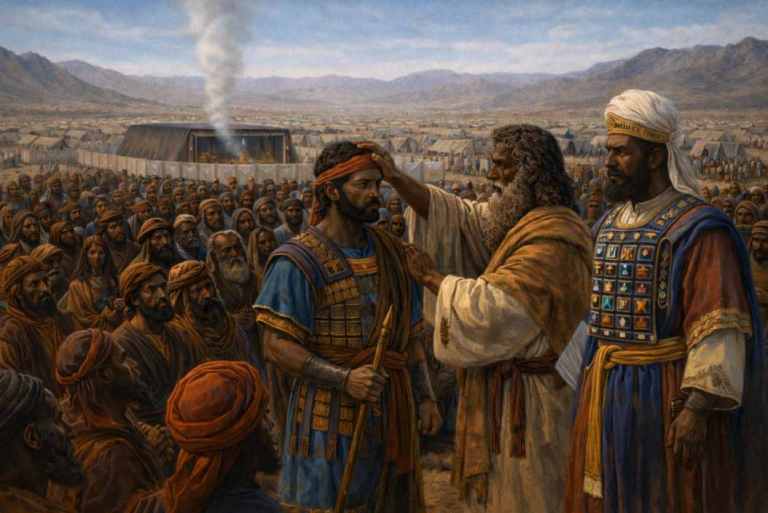
In Leviticus people were required to make atonement of their Sins (Intentional and Unintentional). This took place through a series of offerings and other protocols. The instructions in Leviticus were given to Moses after the children of Israel crossed the Red Sea immediately after the Exodus and while they were building the Tabernacle.
When God gave the children of Israel the 10 Commandments, those commandments were the ideal and God’s righteous requirements for humans. But because of sin (anything that separates us from God) it became impossible for humans to live up to the law.
Leviticus details God’s instructions to Moses for Israel to live Holy lives and maintain a proper relationship with God. The entire book is centered around how people are to govern and conduct themselves, how people are to make sacrifices to God, the rules for the priesthood, dietary laws (clean/unclean food—foods that were prohibited to be eaten), and what people are to do when they sin and how the people are to prepare themselves for their journey into the wilderness. There are lots of do’s and don’ts. The kind of rules that get you stressed out so much so that you get to the point that it’s just easier to follow the law than to have to do all the things that are required when you break the law.
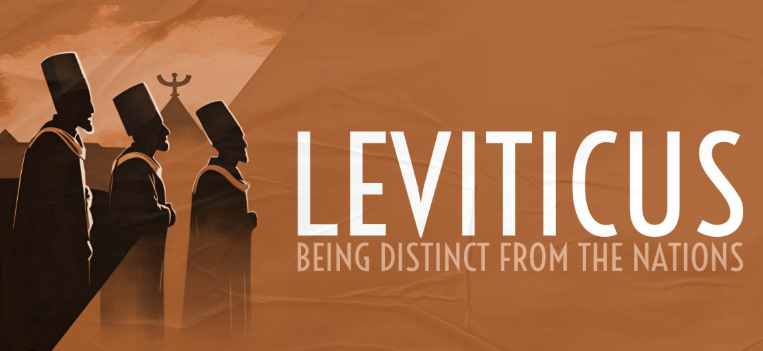
The entire book can be summed up by two thoughts: The Way to God: Sacrifice and the Walk with God: Separation. As we strive to follow God, we may have to make sacrifice, and we sometimes have to separate or remove ourselves from things to stay connected to God and in God’s will.
The Sacrificial System-Leviticus 1-7
· Offerings to make atonement for sins, including the burnt, grain, sin and guilt offerings.
The Purity and Cleanliness Laws Leviticus 11-15
· Strict regulations on eating clean foods, handling bodily discharges, managing infectious skin diseases, and avoiding contamination.
The Day of Atonement Leviticus 16:
· An annual, critical ceremony performed by the High Priest to cleanse the sanctuary and the people from sin
The Holiness Code Leviticus 17-26:
· Moral and ethical rules focusing on justice, sexual purity and behavior, summarized by the command to “love your neighbor as yourself”
The Feasts and Sabbaths Leviticus 23-27:
· Observance of special holy days, including the Sabbath, Passover and Feast of Booths
All of these laws were established to set the Hebrews apart form other nations and to consecrate and sanctify their environment so God could dwell there.
The book of Leviticus spells out clearly the Children of Israel are not like other people. God’s calls them to be holy. Likewise, as Christians we are called to be different than the rest of the world. Romans 12: 1-2 says: “I beseech you therefore brethren by the mercies of God, that you present your bodies a living sacrifice, holy, acceptable to God, which is your reasonable service. And do not be conformed to this world, but be transformed by the renewing of your mind, that you may prove what is that good and acceptable and perfect will of God.”
In Leviticus God requires a lot from God’s people. Being a Christian requires that we strive to live at a standard. Leviticus gives specific instructions on how we are to live, and what we are to do when we sin. Leviticus spells out how the people are to make sacrifices and those sacrifices cost the individual, there family and their community a lot. Some of the codes about cleanliness existed because in ancient Biblical times there were known cures for certain diseases but being clean meant one could ward off diseases.
There were penalties when certain rules were not followed. Not only were the people required to make sacrifices and follow specific guidelines and rules, they were also required to separate themselves from the things that could separate them from God. With all of the world’s distractions today we could afford to separate ourselves from the many distractions (social media-Facebook, X (formerly Twitter), Instagram, Tik-Tok, media in general: radio, television, and habits and people that keep us away from God.
I am thankful the laws and codes in Leviticus aren’t required today. We can go directly to Jesus Christ and ask for forgiveness and be redeemed. We may not be perfect, but we strive for perfection.